What Young Chefs Should Learn Early If They Want Strong Foundations
Early progress in the kitchen does not come from chasing advanced techniques too soon. It comes from building the right habits, sharpening attention, and learning to work to a clear standard.
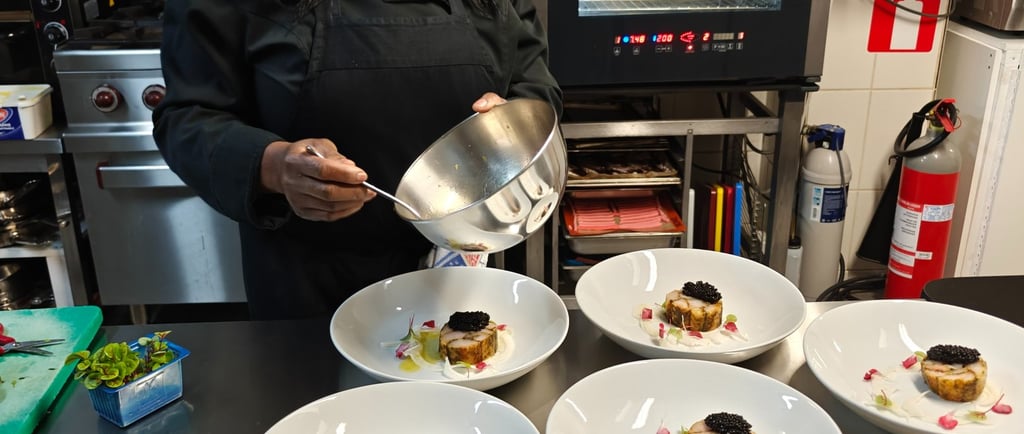
Many young chefs want to improve quickly.
That instinct is good. It shows hunger, ambition, and care for the craft. But early progress is often slowed by one mistake: trying to learn advanced things before the base is ready.
Strong foundations are built earlier, and more quietly.
They are built through standards, repetition, organisation, awareness, and pride in the work. They come from learning how to handle ordinary tasks properly, long before anyone notices the more impressive parts.
That is where real growth starts.
Why the early-stage matters so much
The first phase of kitchen work shapes almost everything that comes after it.
At this stage, habits begin to take shape, standards start to settle, and a young chef gradually defines consciously or not the kind of worker they are becoming.
That matters.
Move too quickly through this stage, and weak habits often stay with the cook. Technique may develop, but the work remains uneven. Activity can look impressive on the surface while control is still missing, with only brief signs of progress and nothing stable underneath.
A stronger beginning makes later progress easier.
Learn how to work before trying to impress
One of the best things a young chef can learn early is that solid work matters more than trying to look advanced.
It is easy to become distracted by the visible side of cooking:
fast movement
complex plating
impressive techniques
being seen doing something difficult
But the real base of kitchen growth is less glamorous.
It is learning how to:
set up properly
stay organised
finish tasks well
pay attention
repeat a standard
recover quickly when something goes wrong
These things do not always stand out. But they are what make a cook dependable.
Organisation should be learned early
Disorganisation creates drag.
It slows your thinking, weakens your timing, and makes pressure feel heavier than it needs to. A cluttered section, incomplete prep, misplaced tools, and vague priorities all make simple work harder.
That is why organisation is one of the first lessons worth learning properly.
A young chef should begin to understand:
what needs to be done first
what can be prepared ahead
what will create problems later if ignored
how to keep the section workable during pressure
This is one reason mise en place at home matters, and even more so in a professional kitchen. Preparation is not just about food. It is about protecting attention.
Clean habits create better work
Cleanliness is not a side issue.
It affects pace, clarity, and standards. A clean station makes work easier to manage. It also signals care. People notice quickly whether a young chef leaves order behind or constant mess.
Learning early to:
wipe down regularly
reset the section
store items properly
clear waste quickly
keep tools in their place
makes a bigger difference than many beginners expect.
Clean habits support cleaner thinking.
Repetition matters more than excitement
Young chefs often expect growth to feel dramatic.
Usually, it does not.
Very often, improvement comes through repetition. You do the same things again and again, but with slightly more care, better awareness, and fewer mistakes. That process can look ordinary from the outside, but it is where real skill starts to settle.
This is worth accepting early.
Not every shift will feel exciting. Not every task will feel meaningful at the moment. But repeating the basics properly is what gives you depth later.
Growth in the kitchen does not come from chasing newness.
It comes from doing the basics with attention, again and again.
Learn to listen properly
Listening is one of the most underestimated kitchen skills.
A young chef who listens well often improves faster, needs less correction, wastes less time, and understands priorities sooner. It also makes that person easier to teach and easier to trust.
Listening properly means:
taking instructions in fully
not interrupting too quickly
noticing what matters most
remembering corrections
adjusting the next time, not only in the moment
This sounds simple, but it sets strong cooks apart early.
Attention is a skill, not just a personality trait
Some young chefs think people are either naturally observant or not.
That is not really true.
Attention can be trained.
You can learn to notice:
when your section is slipping
when a prep task is incomplete
when timing is moving off track
when seasoning needs checking
when the surrounding pace is changing
That sharper awareness improves the quality of your work and shortens the distance between mistake and correction.
This is also why how to season food properly matters beyond flavour alone. It teaches you to notice more carefully, and that habit carries into the rest of kitchen work.
Pride should begin with basic tasks
Many beginners save their pride for visible moments.
They care about plating, advanced prep, or anything that looks more skilled. But pride that only appears in glamorous moments is not worth much.
Real pride shows in ordinary work.
It shows in:
peeled vegetables done properly
neatly stored prep
clean trays
labelled containers
wiped plates
finished tasks
consistency when no one is watching closely
That kind of pride builds trust.
It also shapes your identity as a cook. You start learning that standards are not something you perform. They are something you hold.
Learn timing through responsibility
Timing is not just about speed.
It is about sequence, judgement, and awareness of what comes next. A young chef should begin learning early how to think ahead rather than simply react.
That means asking:
what needs doing now
what can wait
what could create pressure later
what needs checking before service intensifies
Good timing makes work feel calmer.
It is also connected to technical control. This is one reason heat control in cooking matters so much. When a cook understands the pace of the stove, they usually manage the pace of the section better as well.
Consistency earns trust
Talent gets noticed.
Consistency gets remembered.
A young chef becomes valuable when people know what to expect from them. Not perfection. Reliability.
Is your prep dependable?
Can your section be taken over smoothly?
Do you keep the same level of work on ordinary days, busy services, and tired ones?
These questions matter.
Consistency is one of the clearest signs that a foundation is starting to form.
Discipline supports confidence
Many young cooks want more confidence, but they look for it in the wrong place.
They think it will come from praise, speed, or feeling good on the day. Sometimes it does for a moment. But steady confidence usually comes from stronger habits.
When your setup is in order, your section is workable, your prep is complete, and your attention is switched on, you move differently. You trust yourself more because the work has more structure underneath it.
That is one reason strong habits help you cook with more confidence.
Confidence grows more easily when it has something solid to stand on.
What young chefs should focus on first
If the goal is strong foundations, focus early on these areas:
organisation
cleanliness
listening
repetition
timing
attention
consistency
pride in basic tasks
These qualities do not make someone look advanced overnight.
They do something better: they make future skill much easier to build.
Common signs the foundations are still weak
Watch for these patterns:
your station becomes messy rapidly
prep is often rushed or incomplete
the same corrections keep coming back
you work hard but still feel behind
small tasks are treated casually
your standard changes depending on pressure
you struggle to finish ordinary work cleanly
These are not signs that you lack potential.
They are signs that the base needs more work.
And that is fixable.
A simple way to strengthen your foundation this week
Choose one ordinary standard and hold it every day for a week.
For example:
reset your section before moving on
finish every prep task fully
taste before anything leaves your hands
keep your tools in the same place
clear waste before it builds up
Keep it simple. Keep it steady.
One repeated standard will teach you more than a burst of motivation.
Final thoughts
What young chefs should learn early is not mainly about complexity.
It is about how to work.
Getting set up properly.
Taking instruction in fully.
Working to a consistent standard.
Treating simple tasks with care.
Becoming someone others can trust.
That is what creates strong foundations.
And once that base is there, everything else becomes easier to build.
Join the newsletter for practical chef-led cooking guidance, calm kitchen habits, and useful lessons for serious home cooks and young chefs.
Refined cooking guidance from Chef Viviane of Klavertje Vier
For serious home cooks and aspiring chefs building stronger kitchen foundations.
hello@klavertjevier.store
© 2026. All rights reserved.
Sign up below to get the free Calm Kitchen Starter Guide. You'll also be the first to hear about new guides, recipes and kitchen resources.
Recommended Kitchen Tools