Heat Control in Cooking: The Skill That Improves Almost Everything
Learn why heat control in cooking matters so much and how better temperature awareness can improve flavour, texture, and consistency in the kitchen.
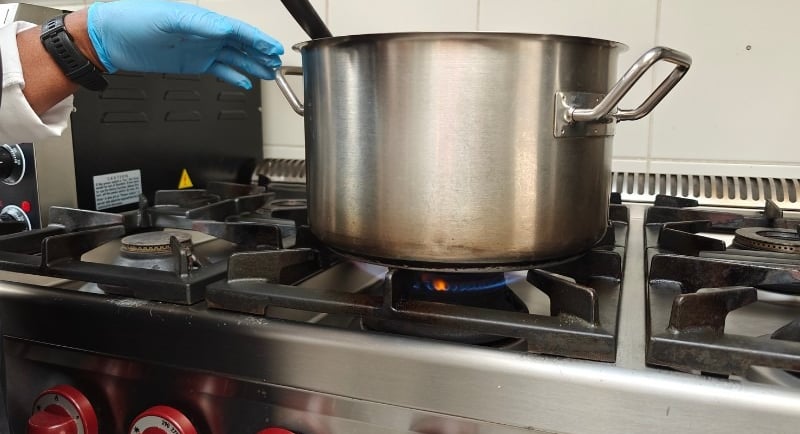
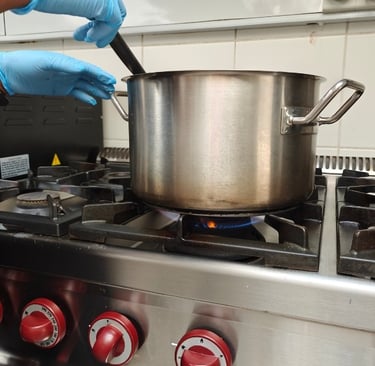
Better cooking is not only about ingredients, recipes, or equipment. Very often, it comes down to something simpler and more fundamental: heat control.
Many home cooks focus on what they are cooking, but not enough on how the heat is being used underneath the pan. That is where countless cooking problems begin. Food burns before it is cooked through. Vegetables turn dull instead of vibrant. Meat stays pale instead of developing real colour. Sauces reduce too quickly or split unexpectedly.
These are not always recipe problems. Often, they are heat problems.
Heat control in cooking is one of the most important skills a cook can build. It affects flavour, texture, colour, timing, and confidence. When heat is used well, food becomes more consistent, more balanced, and much more enjoyable to cook.
Why heat control matters so much
Heat changes everything in cooking.
It determines how quickly food cooks, how much colour develops, how moisture behaves, and how ingredients respond in the pan. Too much heat can destroy a dish before you have time to correct it. Too little heat can leave food flat, pale, or heavy.
Good heat control gives you options. It allows you to brown without burning, soften without stewing, reduce without ruining, and cook with more precision.
This is one of the reasons professional cooking often looks calmer than home cooking. It is not just about experience. It is about knowing when to raise the heat, when to lower it, and when to leave it alone.
The mistake many home cooks make
A common mistake is treating the stove like it only has three settings: off, low, and high.
In reality, cooking needs much more awareness than that.
Many home cooks put a pan on strong heat by default, then try to solve problems once the food is already catching, smoking, or cooking unevenly. Others keep the heat too low for too long and never get proper colour, texture, or depth.
Heat should not be reactive. It should be deliberate.
That means asking simple questions while cooking:
Does this ingredient need gentle heat or stronger heat?
Am I trying to build colour, soften, reduce, or hold?
Is the pan too hot for this stage?
What do I want the heat to do right now?
Those questions improve cooking far more than people expect.
What heat control actually looks like
Heat control in cooking is not about making everything complicated. It is about paying attention to what is happening in the pan and adjusting with purpose.
That can mean:
preheating properly before adding ingredients
lowering the heat once colour has developed
turning the heat up to reduce a sauce
moving a pan partly off the heat to slow things down
giving ingredients time instead of forcing them
Good cooks do not only cook the food. They manage the surrounding energy.
That is what heat control really is.
High heat is useful, but not always right
High heat has an important place in cooking.
It helps with searing, browning, reducing quickly, and building strong flavour in certain situations. But high heat is not a sign of better cooking by itself. Used carelessly, it creates bitterness, dryness, harsh colour, and stress.
A pan that is too hot can:
burn garlic in seconds
colour butter too far
overcook meat on the outside before the inside is ready
collapse delicate vegetables
make you rush instead of cook with control
Strong heat should be used when it serves the dish, not by habit.
Low and medium heat are often more powerful than people think
Some of the best cooking happens on lower heat than people expect.
Gentle heat allows ingredients to soften properly, release sweetness, and cook evenly. It helps you stay in control. It gives you time to notice changes. Not only that, but it also makes it easier to build dishes in layers.
For example:
onions become sweeter on moderate heat than on aggressive heat
sauces usually reduce more cleanly when not rushed
eggs respond far better to gentle heat
butter-based cooking becomes safer and more controlled
fish often benefits from steadier, calmer heat
A refined result often comes from restraint.
How to tell when your heat is wrong
You do not always need a thermometer or a technical explanation. Often, the food tells you.
Signs your heat is too high:
the pan smokes too early
garlic or shallots darken before other ingredients are ready
food colours too fast on the outside
butter foams aggressively and browns too quickly
you feel rushed the whole time
Signs your heat is too low:
vegetables release water and go soft without colour
meat stays grey instead of browning
sauces sit without reducing
nothing develops flavour properly
cooking feels slow but not productive
Learning to notice these signs is part of becoming a stronger cook.
Heat control starts before the pan is full
One reason home cooks lose control is that too much is happening at once.
The pan is hot, but the ingredients are not ready. The heat is high, but the next step is not prepared. That is when timing slips and the stove starts controlling the cook instead of the other way around.
This is why preparation matters so much.
A better setup gives you more control over heat because you are free to focus on the cooking itself. When ingredients, tools, and timing are ready, it becomes much easier to respond properly to what the pan needs.
That is also why mise en place at home helps so much. Better preparation allows you more space to manage heat well.
Heat control and confidence are closely connected
A lot of kitchen stress comes from feeling behind.
When a pan gets too hot, food moves too fast, and the cook starts reacting instead of leading. That creates hesitation and pressure. Cooking feels harder than it needs to.
Better heat control changes that feeling.
It slows the experience down in the right way. It helps you understand that not every stage needs maximum power. Likewise, it teaches patience, timing, and awareness. Most of all, it makes cooking feel more deliberate.
That is one of the reasons it helps you cook with more confidence. Confidence often grows when you stop fighting the heat and start using it with intention.
A few simple examples of better heat control
Heat control becomes easier when you see it in real cooking situations.
Browning meat
Use enough heat to develop colour, but not so much that the outside burns before the inside has time to respond. Once the colour is there, lower the heat if needed and continue more calmly.
Cooking onions
Do not force them on aggressive heat. Let them soften and sweeten gradually. If they colour too quickly, the heat is too high for the result you want.
Making a pan sauce
After searing, the pan often stays hotter than expected. If you add shallots or garlic straight away without adjusting, they can catch too fast. Lowering the heat first gives you more control.
Cooking eggs
Eggs are one of the clearest examples of why gentler heat matters. Too much heat makes them tight, dry, or uneven rapidly.
Reducing liquids
Reduction needs control, not panic. If a sauce reduces too hard, it can become harsh, salty, or too thick before the rest of the dish is ready.
Small habits that improve heat control quickly
You do not need to become technical overnight. A few small habits make a real difference.
Watch the pan before adding everything
Notice how hot it is behaving, not how hot you assume it is.
Adjust earlier
Do not wait until food is burning or failing. Small earlier corrections are better than dramatic late ones.
Use medium heat more often
Many home cooks underuse medium heat. It is often the most useful range in the kitchen.
Accept that different stages need different heat
A dish rarely needs the same heat level from beginning to end.
Stay close and pay attention
Heat rewards attention. Even a good pan can become a problem when ignored.
What young chefs should understand early
For young chefs, heat control is one of the clearest signs of maturity in the kitchen.
It proves that you are not only following movements, but understanding the process. Furthermore, it shows patience. It also indicates that you respect ingredients enough not to force them carelessly.
A cook who learns heat early usually improves faster.
Not because the skill is flashy, but because it improves almost everything around it. Better colour, better timing, better texture, less waste, and more consistency all begin there.
Better heat control changes that feeling. It slows the experience down in the right way and makes your decisions more deliberate. That is one of the reasons it helps you cook with more confidence.
Final thoughts
Heat control in cooking is one of the quiet skills that changes the quality of everything else.
It helps you cook more evenly, build better flavour, avoid unnecessary stress, and understand what your food needs at each stage. It also teaches an important kitchen lesson: more heat is not always better heat.
When you learn to manage heat with more awareness, cooking becomes calmer and stronger at the same time.
That is when simple food starts becoming better food.
Join the newsletter for practical chef-led cooking guidance and stronger kitchen foundations.
Refined cooking guidance from Chef Viviane of Klavertje Vier
For serious home cooks and aspiring chefs building stronger kitchen foundations.
hello@klavertjevier.store
© 2026. All rights reserved.
Sign up below to get the free Calm Kitchen Starter Guide. You'll also be the first to hear about new guides, recipes and kitchen resources.
Recommended Kitchen Tools