Mise en Place at Home: How to Cook in a Calmer, More Professional Way
Learn how to use mise en place at home to cook with less stress, better timing, and more confidence. A chef’s guide to calm kitchen preparation.
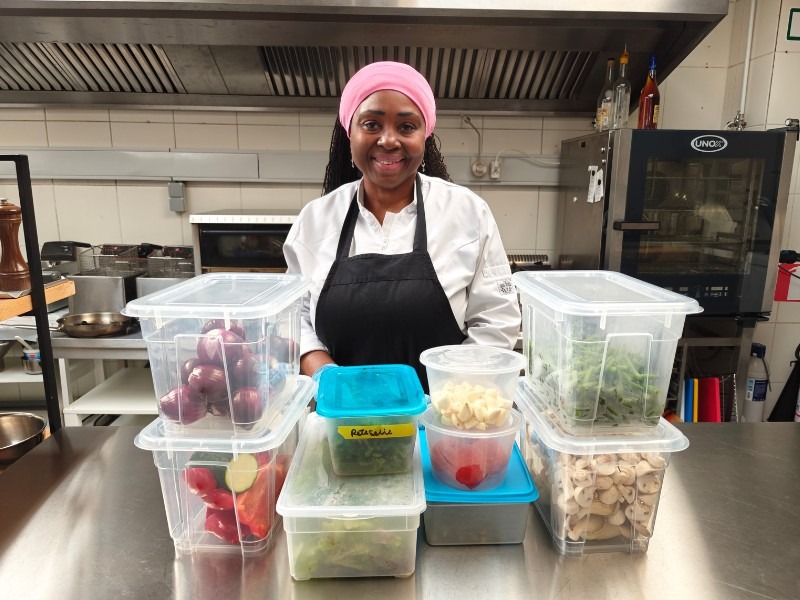
Cooking feels better when it feels clear.
A lot of home cooks think confidence comes from talent, speed, or making impressive dishes. In reality, confidence often comes from something much quieter: being prepared before you begin. If you want to build more confidence in the kitchen, preparation is one of the best places to start.
That is where mise en place matters.
In professional kitchens, mise en place means having everything in its place. Ingredients are prepared, tools are ready, and the cook is not rushing around looking for salt, chopping onions while a pan burns, or trying to read the next step of a recipe with wet hands.
At home, the same principle can change everything.
It does not mean you need ten small bowls or a restaurant-style setup. It means giving yourself a better structure before the heat starts. When you do that, cooking becomes calmer, timing improves, and the whole process feels more enjoyable.
Why mise en place matters so much at home
Home kitchens are different from professional kitchens, but the pressure points are often the same.
Things go wrong when too many tasks happen at once. You are chopping, stirring, checking the recipe, searching for ingredients, and trying not to overcook anything. That is when people start to feel stressed, messy, and behind.
Mise en place reduces that pressure.
It makes cooking calmer
When the prep is done first, your attention stays where it should be. You are no longer constantly switching between tasks. You can focus on heat, timing, seasoning, and taste.
It improves timing
Many cooking problems are not really recipe problems. They are timing problems. The onions burn because the garlic is not peeled yet. The fish overcooks because the garnish is not ready. The sauce reduces too far because you are still measuring stock.
Preparation gives you control over the sequence.
It helps you cook more consistently
Consistency does not come from luck. It comes from repeating good working habits. Mise en place helps you build those habits in a simple, reliable way.
It builds confidence
Confidence in the kitchen is often a result, not a starting point. When you feel prepared, you cook with less hesitation. You move with more certainty because the next step is already ready for you.
The biggest mistake home cooks make with mise en place
The biggest mistake is thinking it has to be perfect or excessive.
Some people hear chefs mention mise en place and imagine a worktop covered in tiny bowls, every herb picked in advance, every gram weighed out, and every movement planned like a competition.
That is not the goal.
Good mise en place at home should support the meal, not make it feel heavy or fussy.
If you are making a simple weekday dinner, your mise en place can be simple too. Peel the onions, wash the greens, season the meat, take out the pan, and place the ingredients in the order you will use them. That is already enough to make a visible difference.
The principle matters more than the performance.
How to use mise en place at home practically
You do not need to copy a restaurant kitchen. You need a version that fits real home cooking.
Read the recipe before you begin
This sounds obvious, but many people start cooking while still discovering the recipe step by step.
Read it once from beginning to end first.
Notice:
what needs to be cut
what needs to be measured
what cooks quickly
what can be prepared in advance
what needs your attention at the stove
This helps you see the flow of the dish, not just the ingredients.
Prepare the ingredients that matter most
Not everything has to be done in advance, but the important things usually do.
Start with ingredients that could slow you down once cooking begins:
onions, garlic, shallots
vegetables that need peeling or cutting
herbs that need washing
liquids or seasonings you will add quickly
proteins that need trimming or portioning
If a step interrupts your timing later, do it now.
Better knife skills also make mise en place faster, safer, and less stressful.
Set out your tools before the heat starts
This is one of the easiest improvements you can make.
Take out:
the right pan
chopping board
knife
tongs, spoon, or spatula
trays, bowls, or plates if needed
A calm kitchen is often just a prepared kitchen.
The more often you stop mid-cooking to search for equipment, the more broken your rhythm becomes.
Keep your work area clear
Clarity in the kitchen is physical as much as mental.
A crowded worktop creates pressure. A clear space gives you room to move and think.
Before you start, remove what you do not need. Keep only the ingredients and tools relevant to the dish. That alone can make cooking feel far more controlled.
Group ingredients by use, not just by type
A useful trick is to place ingredients in the order they will be used.
For example, if you are making a sauce, keep the aromatics together, then the wine or stock, then the cream or butter, then the finishing herbs or seasoning. This supports the actual cooking process.
It is a small detail, but it reduces hesitation.
Accept that home cooking does not need restaurant perfection
Mise en place at home should make your cooking easier, not more rigid.
You do not need to pre-measure every pinch of salt. You do not need a separate bowl for every ingredient. Furthermore, you do not need to turn every dinner into a formal setup.
Use enough preparation to protect your timing and your attention. That is the point.
What mise en place looks like in a real home kitchen
Let us take a simple example: cooking chicken breast, pan-roasted carrots, and a quick pan sauce.
A useful mise en place might look like this:
chicken trimmed and lightly seasoned
carrots peeled and cut
shallot finely sliced
stock ready
butter ready
herbs washed
pan, tongs, spoon, and tray set out
worktop cleared
serving plates ready nearby
That is not complicated. But once the pan is hot, everything becomes easier.
You can focus on browning the chicken properly, controlling the carrots, and building the sauce at the right moment. You are cooking, not scrambling.
The link between mise en place and confidence
Many people want to feel more relaxed in the kitchen, but they try to solve that problem too late.
They look for better recipes, better equipment, or more inspiration. Those can help, but they do not fix the feeling of being rushed and disorganised while cooking.
Mise en place does.
It creates a stronger starting point. And a strong start changes the whole experience.
When your ingredients are ready, your tools are ready, and your space is clear, you stop cooking in reaction to chaos. You start cooking with intention.
That is one of the most important mindset shifts a cook can make.
What young chefs can learn from this early
For young chefs or school-leavers entering the kitchen, mise en place is not just a useful habit. It is one of the first signs of seriousness.
Good preparation shows discipline. It shows respect for the work. It indicates that you understand cooking is not only about the final plate, but about the standard of the process behind it.
A cook who prepares well usually works better.
A cook who works better usually improves faster.
That is true in professional kitchens, and it is just as true at home.
Common signs your mise en place is weak
If cooking often feels rushed, uneven, or more tiring than it should, weak preparation may be the reason.
Look out for these signs:
you start chopping after the pan is already hot
you forget ingredients until the last moment
you constantly reread the recipe while cooking
your timing falls apart halfway through
your kitchen feels messy rapidly
simple meals feel more stressful than they should
These are not failures. They are signals.
And they can often be improved with a better setup before you begin.
A simple mise en place routine to start using today
You do not need to change everything at once. Start with this:
Before cooking, take five minutes to do four things:
Read the recipe fully
Prep the ingredients that will interrupt timing later
Set out the key tools
Clear enough space to work properly
That alone will improve your cooking more than many people expect.
Do it consistently, and you will feel the difference quickly.
Final thoughts
Mise en place is not about making home cooking look professional. It is about making it work better.
It gives you more calm, better timing, less mess, and stronger control over the cooking process. Furthermore, it helps simple meals feel smoother and more enjoyable. It also teaches one of the most valuable kitchen habits there is: preparation first, pressure later.
This is also one of the simplest ways to build real confidence in the kitchen over time. If you want to cook with more confidence, start before the first ingredient hits the pan.
That is where better cooking begins.
Want calmer, stronger kitchen foundations?
Join the newsletter for practical chef-led cooking guidance, refined kitchen habits, and useful lessons for serious home cooks and young chefs.
Refined cooking guidance from Chef Viviane of Klavertje Vier
For serious home cooks and aspiring chefs building stronger kitchen foundations.
hello@klavertjevier.store
© 2026. All rights reserved.
Sign up below to get the free Calm Kitchen Starter Guide. You'll also be the first to hear about new guides, recipes and kitchen resources.
Recommended Kitchen Tools