Kitchen Discipline for Beginner Chefs: What Matters Most First
Learn the core habits that matter most for beginner chefs, from organisation and timing to cleanliness, attention, and consistency in the kitchen.
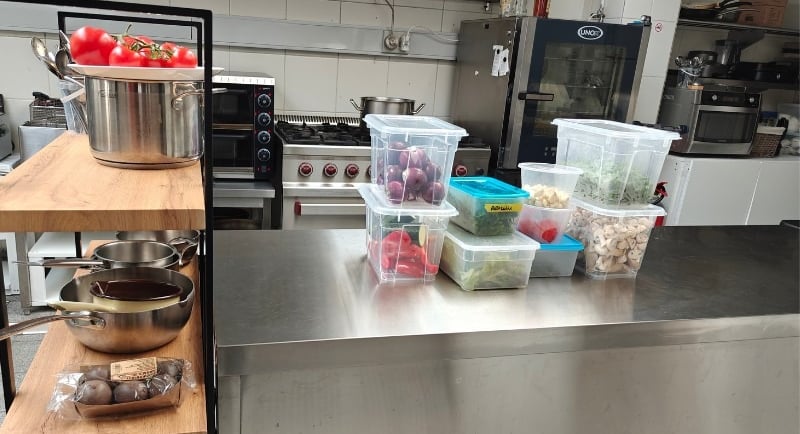
Beginner chefs think progress starts with technique.
Partly, yes. Knife work matters. Timing matters. Heat matters. But none of those develop well without discipline behind them.
That is what many young cooks discover eventually.
You can have energy, ambition, and talent, but if your station is disorganised, your timing is poor, and your standards change from one day to the next, your growth becomes uneven. The work feels harder than it should. Mistakes repeat themselves. Pressure rises quickly.
Discipline changes that.
Not in a dramatic way. In a practical one.
It creates order. It sharpens attention. Furthermore, it helps you become dependable, not just promising. And for a beginner chef, that matters more than trying to look advanced too early.
What kitchen discipline really means
Discipline is often misunderstood.
It is not about being stiff, joyless, or afraid to make mistakes. It is not about pretending to be hard. In the kitchen, discipline means working in a way that supports good results again and again.
It shows up in simple things:
arriving ready to work
setting up properly
keeping your area clean
paying attention to details
finishing tasks fully
staying steady under pressure
These habits may not look glamorous, but they are what make a young chef useful and trustworthy.
Technique gets attention.
Discipline earns respect.
Why it matters so early
The first phase of kitchen work shapes a lot.
Bad habits formed early can stay with a cook for years. Rushing, sloppy setup, poor cleaning, weak focus, unfinished prep, careless tasting, and inconsistent standards all become harder to correct later.
Good habits also become easier through repetition.
That is why the beginning matters so much. A young chef who learns to work cleanly, think ahead, and take small tasks seriously will usually improve faster than someone chasing speed or complexity before building a proper base.
This is not because discipline is more exciting.
It is because it supports everything else.
Organisation comes before speed
Many beginners want to move fast.
That is understandable, but speed without structure usually creates waste. Things go missing. Ingredients are forgotten. The station becomes cluttered. Timing breaks apart. Simple work starts feeling chaotic.
Organisation is what allows speed to become useful.
That means:
knowing what needs to be done
laying out tools properly
preparing ingredients in the right order
clearing space as you work
keeping track of what is still unfinished
That is also why mise en place at home matters so much, and even more in a professional setting. Preparation protects your attention. It keeps you from falling behind before the work has properly begun.
A young chef who organises well already has an advantage.
Cleanliness is part of professionalism
Some beginners treat cleaning as something separate from cooking.
It is not.
A messy station slows you down, clouds your thinking, and lowers the standard of the whole service. Cleanliness is not a side task. It is part of how good work is maintained.
That includes:
wiping surfaces regularly
putting tools back where they belong
removing waste before it piles up
keeping cloths and boards in order
finishing with a station that still makes sense
Clean work supports clear work.
And in a kitchen, people notice quickly who leaves order behind and who leaves confusion.
Consistency matters more than occasional brilliance
A beginner chef does not need to impress every day.
What matters more is becoming reliable.
Can you hold your standard on normal days, busy services, and tired ones? Is your prep dependable? Can others rely on your section? Do you complete tasks properly without being corrected again and again?
That is where real growth begins.
A kitchen values someone who works steadily far more than someone who has flashes of talent surrounded by avoidable mistakes.
Consistency builds trust.
Trust leads to responsibility.
Listening is a professional skill
Young chefs often focus so much on doing that they forget to listen properly.
But listening well is one of the quickest ways to improve.
That means:
taking instructions fully before moving
not interrupting
noticing tone and urgency
asking useful questions when needed
remembering corrections instead of repeating the same errors
Good listening saves time.
It also shows maturity. A beginner who listens properly is easier to teach, easier to trust, and more likely to improve quickly.
Attention to detail changes everything
Small details tell you a lot about a cook.
Is the garnish clean?
Are the cuts even?
Is the seasoning checked?
Is the plate wiped?
Is the towel filthy?
Is the tray organised?
Was the stock labelled?
None of these details alone define a chef, but together they reveal how that person works.
That is one reason how to season food properly matters beyond flavour. It teaches care, judgement, and the habit of checking rather than assuming.
A disciplined cook notices more.
And that changes the standard of the work.
Timing is part of discipline too
A lot of kitchen pressure comes from poor timing, not lack of effort.
Work becomes stressful when things are left too late, started in the wrong order, or handled without awareness of what comes next. Discipline helps here because it trains you to think ahead.
Ask yourself:
what needs doing first
what can be prepared now
what should wait
what is likely to slow me down later
what needs my attention at the last moment
This kind of thinking creates flow.
It is also one reason heat control in cooking matters so much. A cook who manages temperature well usually manages pace better, too. The stove stops being something that pushes them around.
Pride should show in ordinary tasks
Many young chefs bring pride only to visible work.
They care about plating, complex dishes, or moments where someone might notice them. But real professionalism shows most clearly in basic tasks.
Can you peel properly?
Can you label neatly?
Can you store things correctly?
Can you clean down without being chased?
Can you repeat the same standard when the job feels unexciting?
That is where discipline lives.
Anyone can be enthusiastic when the task feels glamorous.
The stronger cook brings care even to routine work.
Why discipline builds confidence
Confidence is often spoken about as if it appears first.
Usually, it comes later.
A young chef becomes more confident when they trust their own habits. When they know their station is in order, their prep is ready, their area is clean, and their attention is switched on, they move differently. Not louder. More steadily.
That is one of the reasons discipline helps you [cook with more confidence].
Confidence built on habit is far stronger than confidence built on mood.
What beginner chefs should focus on first
If you are early in your kitchen path, focus on these before chasing advanced techniques:
organisation
cleanliness
consistency
listening
timing
attention to detail
finishing tasks properly
These qualities may seem basic, but they are what make future skill possible.
A cook with strong foundations can learn almost anything more effectively later.
A cook without them struggles even with simple things.
Common signs discipline is still weak
Look out for these patterns:
your station becomes messy quickly
prep is often incomplete or rushed
the same corrections keep coming back
you forget small but important tasks
you work hard but still feel behind
your standard changes depending on mood
simple tasks are treated casually
These are not signs that you lack potential.
They are signs that your habits need strengthening.
And habits can be trained.
A simple practice to start this week
Choose one standard and hold it every day for a week.
For example:
keep your section clean at all times
finish every prep task fully before moving on
put every tool back immediately after use
taste before sending anything out
check your setup before the rush begins
Keep it simple, but keep it constant.
One repeated standard is more powerful than a burst of motivation.
Final thoughts
Kitchen discipline is not something extra added on top of cooking.
It is part of cooking.
For beginner chefs, it shapes how quickly you improve, how much trust you earn, and how stable your work becomes under pressure. It does not make the kitchen colder. It makes the work clearer.
Start with the basics.
Repeat them properly.
Take small standards seriously.
That is what matters most first.
Refined cooking guidance from Chef Viviane of Klavertje Vier
For serious home cooks and aspiring chefs building stronger kitchen foundations.
hello@klavertjevier.store
© 2026. All rights reserved.
Sign up below to get the free Calm Kitchen Starter Guide. You'll also be the first to hear about new guides, recipes and kitchen resources.
Recommended Kitchen Tools