How to Plate Food Beautifully at Home
Learn how to plate food beautifully at home with simple, chef-led principles for balance, spacing, colour, and cleaner presentation.
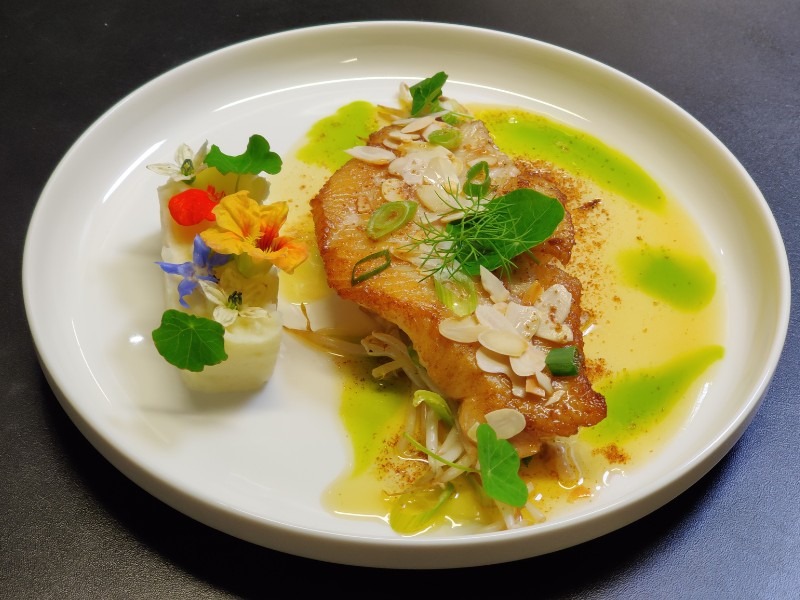
The word plating often brings to mind fine dining, tiny portions, or food arranged so carefully that it no longer feels enjoyable.
That is not the point.
At home, plating simply means presenting food in a way that makes it look clearer, more appealing, and more considered. It does not need to be stiff. It does not need to feel theatrical. A little intention is enough.
That small difference changes more than most people expect.
A dish that is presented well often feels lighter, calmer, and more complete before the first bite is even taken. The food may be simple, but the overall impression becomes more refined.
Why plating matters more than people think
Before anyone tastes a meal, they already respond to what they see.
Shape, colour, spacing, portion, texture, and order all influence the way a plate is received. A dish can be well cooked and still look heavy, flat, or rushed if it is placed on the plate without much thought.
A cleaner presentation creates a different experience.
The dish feels more present, the eye settles more easily, and each element seems more naturally in place.
That does not make the meal less natural.
It makes it feel more finished.
Better plating is usually about less, not more
One of the most common mistakes at home is trying to do too much on the plate.
Excess garnish.
More sauce than the dish needs.
Food spread too widely across the plate.
Small details all pulling the eye at once.
In most cases, the plate improves when something is taken away.
A more restrained approach usually creates:
clearer shape
better balance
more breathing room
stronger focus on the main element
This is useful because it means good plating does not depend on expensive tools or restaurant tricks. It depends more on editing.
Start by deciding what matters most
A plate needs a focal point.
That could be:
the fish
the meat
the vegetables
the tart
the pasta
Once that main element is clear, everything else should support it rather than compete with it.
This gives the dish direction.
Without that, the plate often feels scattered. Everything may be present, but nothing really stands out.
Space helps food look better
Home cooks often think a full plate looks generous.
Visually, it often does the opposite.
Crowding makes food feel heavier. It also hides shape and reduces clarity. A little space allows the dish to breathe and makes each part easier to read.
That space is not waste.
It is part of the presentation.
Serving slightly less, with more care in the placement, often improves the look of a dish immediately.
Shape and height make a difference
Not everything needs to sit flat on the plate.
A little shape helps food feel more alive. Sliced meat can be placed with a slight lean. Vegetables can be gathered rather than scattered. A spooned purée can give quiet structure underneath.
The goal is not to build height for the sake of it.
It is simply to avoid a plate that looks lifeless or collapsed.
Sauce should support, not smother
Sauce can bring elegance to a plate, but only when it is controlled.
Too much, and the dish becomes heavy.
Too little, and it may feel dry or incomplete.
A spooned base, a neat pool, or a light finish is often enough. The sauce should help the plate, not drown it.
Think of it as part of the composition, not an afterthought.
Colour brings life to the plate
A well-balanced plate often has some contrast.
This does not mean forcing bright colour into every dish. It means noticing when everything is too similar in tone. A pale dish may need something greener. A deep, rich plate may benefit from a fresher element. A soft coloured component can often look stronger beside something darker or more vibrant.
The point is not decoration.
It is to help the food look awake.
Clean edges change the whole impression
One of the simplest habits in plating is also one of the most effective.
Before serving, check the rim of the plate.
A quick wipe removes smudges, drops, and fingerprints. It takes very little time, yet it makes the whole dish look more deliberate.
Small details carry a lot of weight.
Good plating still depends on good cooking
Presentation helps, but it does not solve weak cooking.
If the vegetables are cut badly, the seasoning is flat, or the textures are off, no amount of careful arrangement will fully rescue the dish.
That is why how to season food properly still matters here. Taste always comes first.
It is also why mise en place at home helps more than people realise. When the elements are prepared properly, plating becomes calmer and cleaner.
A better result on the plate usually starts earlier than the final minute.
Plating should still feel natural
Home cooking does not need to imitate restaurant service.
Food should still feel warm, generous, and satisfying. The goal is not to create a stiff or overworked plate. It is to serve the dish in a way that reflects care.
That usually means:
cleaner placement
better spacing
less clutter
more balance
a clearer final look
That is enough.
Presentation and confidence are closely linked
Many assume they are bad at plating simply because it does not come naturally at first
In reality, this improves the same way many other kitchen skills improve: through observation and repetition.
Over time, it becomes easier to notice:
when the plate is too crowded
when a garnish adds nothing
when the sauce is too heavy
when the dish already looks complete
That is one of the reasons these small choices help you cook with more confidence. The final stage of the dish feels less rushed and more deliberate.
What home cooks can borrow from fine dining
The value lies elsewhere — away from performance, excess, and unnecessary complication.
What is worth borrowing is the care.
This is one reason what fine dining can teach home cooks about discipline and detail matters. The strongest lesson is not luxury. It is attention.
The same mindset that improves prep, timing, and seasoning also improves the way food is placed on the plate.
A simple habit to use straight away
Before serving your next meal, pause for ten seconds and ask:
What is the eye meant to notice first?
Then adjust one thing.
Move one element.
Remove one spoonful.
Wipe the rim.
Gather the vegetables more neatly.
Let the main part of the dish stand out more clearly.
That brief pause is often enough to improve the plate.
Final thoughts
Good plating at home is not about making food look expensive or formal.
It is about serving a dish with a little more clarity, balance, and care. That alone can make simple food feel more refined without making it feel forced.
It does not need to be dramatic.
It only needs to be intentional.
That is where better presentation begins.
Want to cook with more clarity and refinement at home?
Join the newsletter for practical chef-led guidance, thoughtful techniques, and useful lessons for more polished everyday cooking.
Refined cooking guidance from Chef Viviane of Klavertje Vier
For serious home cooks and aspiring chefs building stronger kitchen foundations.
hello@klavertjevier.store
© 2026. All rights reserved.
Sign up below to get the free Calm Kitchen Starter Guide. You'll also be the first to hear about new guides, recipes and kitchen resources.
Recommended Kitchen Tools