What Fine Dining Can Teach Home Cooks About Discipline and Detail
Discover what home cooks can learn from fine dining, from preparation and consistency to attention to detail, without turning everyday cooking into something stiff or complicated.
Countless people misunderstand fine dining.
They think it is mostly about expensive ingredients, small portions, polished plates, or a level of formality that has nothing to do with real life at home.
That is only the surface.
What fine dining really teaches, at its best, is a way of working? It values preparation, consistency, restraint, timing, and attention. Those qualities matter just as much in a home kitchen as they do in a professional one.
You do not need tweezers, luxury products, or a restaurant setup to learn from that world.
You only need to notice the standards behind it.
Fine dining is built on habits, not show
The strongest kitchens do not rely on drama.
They rely on routines that make good work repeatable. Things are prepared properly. Tools are ready. Ingredients are handled with care. Timing is respected. Plates are checked before they leave. Small details are taken seriously because they influence the final result.
That is the real lesson.
The value of fine dining is not that everything looks elaborate. It is that the work behind it is thoughtful. The result may look elegant, but the foundation is discipline.
For home cooks, that is encouraging.
It means better cooking does not begin with doing more. It begins with doing ordinary things more carefully.
Why discipline matters in everyday cooking
Discipline can sound severe, but in the kitchen it is often simple.
It means:
starting in a clear space
preparing before the heat starts
tasting as you go
paying attention instead of rushing blindly
finishing the dish with care
These are not grand gestures. They are working habits.
And they make a visible difference.
Meals come together more smoothly. Timing improves. Food tastes clearer. The kitchen feels less frantic. Even a simple dinner can feel calmer and more complete when the cook is not constantly recovering from avoidable mistakes.
That is one of the most useful things home cooks can take from fine dining: standards make cooking easier, not heavier.
Detail is not fussiness
This is where people often get the wrong idea.
Attention to detail does not mean becoming stiff or obsessive. It does not mean turning dinner into a performance. It means noticing the small things that change the result.
That could be:
drying ingredients properly before cooking
cutting vegetables more evenly
lowering the heat sooner
checking seasoning before serving
wiping the edge of the plate
stopping before the garnish becomes unnecessary
None of this is dramatic. But together, these decisions shape the quality of the meal.
A cook who notices details usually produces food that feels more settled and more assured.
Preparation is one of the clearest lessons
One of the strongest habits in fine dining is preparation.
Professional kitchens cannot function well without it. Service would collapse quickly. The same principle matters at home, even if the scale is different.
When you prepare well, you protect your attention. You are less likely to panic, forget steps, or lose control of timing.
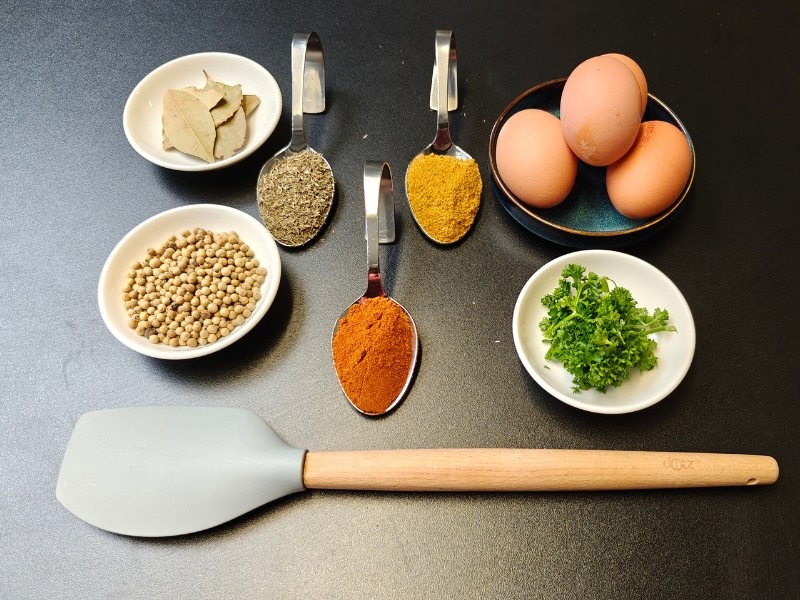
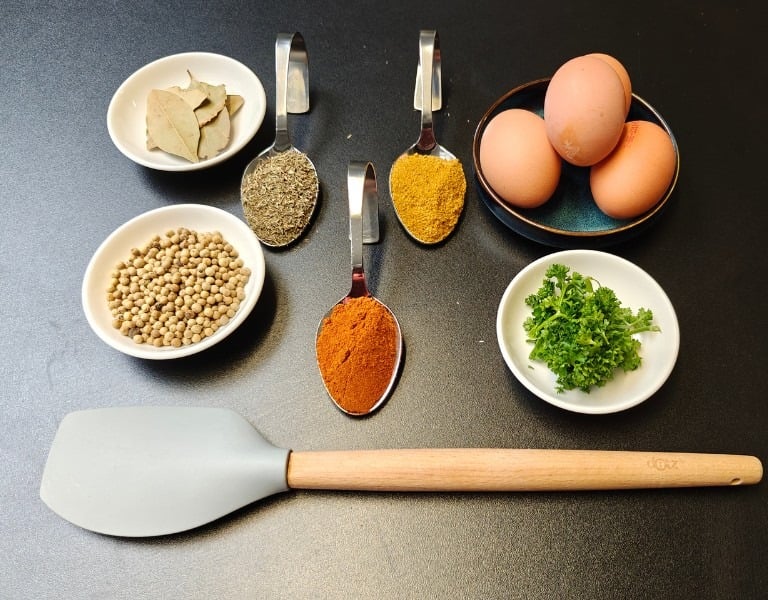
That is also why mise en place at home matters so much. Good preparation is not about formality. It is about making the cooking itself more manageable.
At home, this can be very modest:
reading the recipe first
setting out the tools
preparing the vegetables before the pan is hot
clearing enough room to work properly
That is already a major improvement.
Consistency matters more than occasional brilliance
Another useful lesson is this: a good standard repeated often is more valuable than one impressive meal surrounded by chaos.
Many home cooks chase big moments. They want to cook something ambitious, dramatic, or restaurant-like. But their everyday habits remain weak, so the result is inconsistent.
Fine dining teaches the opposite mindset.
It teaches that quality comes from repetition. From doing the basics well again and again. From respecting the process, not just the final image.
That may sound less exciting, but it is what actually builds skill.
A cook becomes stronger by repeating solid work, not by relying on inspiration.
Precision starts with simple things
Precision is often misunderstood as something advanced.
In reality, it begins with ordinary decisions made more carefully.
For example:
using the right amount of heat
seasoning in stages instead of only at the end
cutting ingredients to a similar size
serving food at the right moment
choosing when to stop instead of overworking the dish
These are practical forms of precision.
That is one reason heat control in cooking improves so much. Better control over temperature gives you better colour, texture, and timing. And that kind of control is central to refined cooking, whether the meal is simple or elaborate.
Restraint is part of refinement
One of the most valuable lessons from fine dining is knowing when enough is enough.
Home cooks often think improvement means adding more:
more ingredients, more garnish, more sauce, more decoration, more complexity.
Often the opposite is true.
Refinement usually comes from editing.
A dish can become stronger when:
the garnish is reduced
the sauce is more controlled
the plate is less crowded
the seasoning is more precise
the idea of the dish is kept clear
This kind of restraint gives food more confidence.
It allows the main flavours to speak without unnecessary noise.
Taste is more important than appearance
Fine dining is associated with presentation, but strong kitchens know that flavour still comes first.
A beautiful plate with poor seasoning or weak balance is still a disappointment. Detail matters visually, but it matters even more in taste.
That is why how to season food properly remains such a foundational skill. A refined dish does not need loud flavour, but it does need clarity, balance, and judgement.
For home cooks, this is a useful reminder.
Do not become so focused on appearance that you neglect what matters most. Beauty should support the food, not distract from it.
Care changes the whole mood of a meal
There is another lesson here that is quieter, but important.
When food is made with care, people feel it.
They may not name every technical reason. They may not talk about heat management, seasoning stages, or timing. But they notice the difference between a meal that was rushed and one that was handled with attention.
The vegetables are better cooked. The plate feels cleaner. The portions make sense. The dish arrives at the table with a feeling of completion.
That is part of what makes a meal memorable.
Not luxury. Care.
What home cooks should not copy from fine dining
Not everything from that world belongs at home.
You do not need to imitate:
unnecessary complexity
rigid presentation
over-designed plates
ingredients chosen for status rather than taste
techniques that make everyday cooking feel joyless
The goal is not to turn home dinner into restaurant service.
The goal is to borrow the values that strengthen your cooking and leave the rest behind.
Take the discipline.
Take the care.
Take the consistency.
Leave the theatre.
Why these lessons build confidence
Confidence in the kitchen is not only about courage. It is also about trust in your own habits.
When you prepare properly, taste with attention, manage heat well, and finish the plate with care, you stop relying so much on luck. You begin to trust the process more.
That is one of the reasons these habits help you [cook with more confidence].
Confidence becomes steadier when it is supported by a method.
Not forced confidence. Real confidence.
What young chefs can learn from this early
For young chefs, these lessons matter from the beginning.
A young cook does not become strong by moving fast alone. Speed without discipline creates waste, inconsistency, and carelessness. What matters more is learning how to work with focus.
That means:
arriving prepared
respecting the product
repeating the basics properly
observing details
taking pride in clean execution
Those standards do more for long-term growth than chasing flashy results.
A cook who learns this early develops depth.
Common signs you would benefit from more discipline in the kitchen
If your cooking often feels more chaotic than it should, stronger habits may help.
Look out for these signs:
timing falls apart halfway through
the worktop becomes messy quickly
seasoning happens too late
simple dishes still feel rushed
plating is treated as an afterthought
the result changes a lot from one attempt to the next
These are often not talent problems.
They are process problems.
And process can be improved.
A simple habit to start using today
Choose one small standard and repeat it every time you cook this week.
For example:
clear the worktop before starting
taste before serving
wipe the rim of the plate
prepare all key ingredients first
check the heat earlier
Do not try to fix everything at once.
One repeated standard is more valuable than ten good intentions.
Final thoughts
Fine dining has something useful to teach home cooks, but it is not what many people assume.
Its real value is not luxury. It is discipline.
Not performance. Care.
Not excess. Precision.
When you bring those qualities into your home kitchen, even simple food becomes more settled, more balanced, and more deliberate.
You do not need to cook like a restaurant.
But you can work with the same respect for detail.
That is where refinement begins.
Join the newsletter for practical chef-led cooking guidance, calm kitchen habits, and useful lessons for serious home cooks and young chefs.
Refined cooking guidance from Chef Viviane of Klavertje Vier
For serious home cooks and aspiring chefs building stronger kitchen foundations.
hello@klavertjevier.store
© 2026. All rights reserved.
Sign up below to get the free Calm Kitchen Starter Guide. You'll also be the first to hear about new guides, recipes and kitchen resources.
Recommended Kitchen Tools