How to Organise Your Cooking So Dinner Feels Less Stressful
Learn how to organise your cooking at home so dinner feels calmer, easier, and less stressful with practical chef-led habits that improve flow and timing.
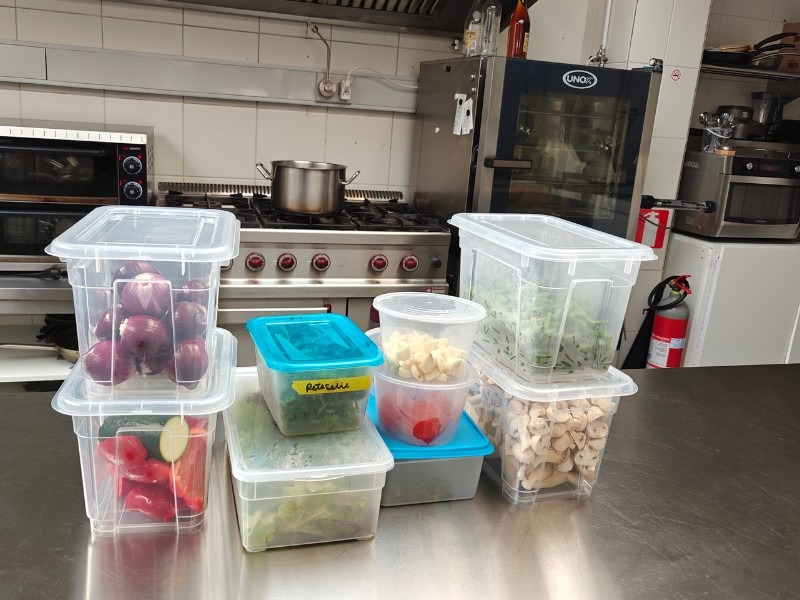
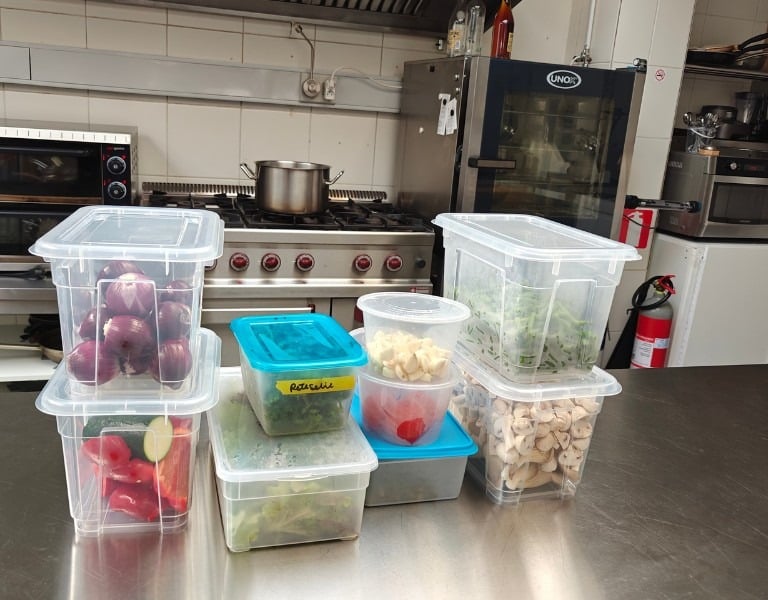
Dinner rarely becomes stressful accidentally.
Pressure usually starts earlier, in small moments that seem harmless at first. The ingredients are not ready. The worktop is crowded. The pan is hot before the vegetables are cut. Something needs checking at the exact moment something else needs stirring. From there, the whole process begins to feel rushed.
That kind of stress is familiar in home kitchens.
The good news is that it can be reduced. Not by making meals more elaborate, but by organising the cooking in a better way from the start.
A calmer dinner usually begins before the cooking itself.
Why dinner feels stressful in the first place
For many home cooks, the problem is not the dish.
The problem is the way the work unfolds.
Stress builds when too many things compete for attention at once. Chopping, stirring, searching, checking, cleaning, adjusting, and trying to stay on time all begin to pile up. Even a simple meal can feel heavier than it should.
This usually comes from weak flow rather than lack of ability.
When the order of work makes sense, cooking feels steadier. When the order is unclear, even ordinary tasks can feel messy.
Better organisation changes the rhythm of cooking
A well-organised cook does not necessarily move faster.
More often, the work simply flows better.
There is less stopping and starting. Fewer avoidable surprises. Less scrambling for ingredients or tools halfway through. The cooking feels more deliberate because each step supports the next one.
That change in rhythm matters.
A calmer sequence gives more room to think, taste, and adjust. Dinner becomes easier not because the meal is simpler, but because the process is better arranged.
Start by thinking in order, not only in ingredients
One common mistake is focusing only on what the dish contains instead of how the work should happen.
Ingredients matter, of course, but sequence matters just as much.
Before starting, it helps to ask:
what needs the most time
what can be prepared first
what cooks quickly
what needs attention at the end
what can wait until later
These questions create structure.
A dish becomes easier to manage when the order is clear before the heat begins.
Preparation removes pressure later
Many cooking problems begin because too much is left for the last minute.
Vegetables still need cutting. Herbs are not ready. A pan is heating while ingredients are half-prepared. Then everything starts happening at once.
That is precisely why mise en place at home makes such a difference. Preparation reduces friction. It allows the cook more space to notice what is happening instead of constantly recovering from what was not done earlier.
At home, this does not need to be elaborate.
It can be as simple as:
reading the recipe once first
cutting the main ingredients before cooking
setting out the pans and utensils
clearing enough room to work properly
That alone changes the feeling of the meal.
Keep the worktop under control
A crowded kitchen creates mental noise.
When the worktop is filled with unnecessary items, empty packaging, misplaced tools, and scraps that should already be cleared, attention gets pulled in too many directions. The cooking begins to feel heavier simply because the space is no longer helping.
A clearer surface supports clearer thinking.
That means:
keeping only the necessary tools nearby
removing waste as you go
returning items once they are no longer needed
protecting enough space to move comfortably
This may sound small, but it affects the whole experience.
Group tasks where it makes sense
Cooking becomes easier when similar actions are handled together.
Wash the vegetables together.
Measure key ingredients together.
Set the pans and utensils out together.
Do the early prep in one focused block before switching on the heat.
This reduces fragmentation.
Instead of moving back and forth between unrelated tasks, the work gains more continuity. That makes the process feel less scattered and easier to manage.
Timing improves when the dish is read properly
Stress often comes from poor timing, not difficult cooking.
End-of-cooking tasks should not compete with unfinished prep. Quick-cooking elements work best when the rest of the meal is already in place. A sauce that needs reducing should not be paired with a last-minute search for ingredients.
Reading the pace of the dish matters.
This is also why heat control in cooking helps more than people expect. Better control over temperature makes the whole flow easier to manage. The stove stops dictating the pace so aggressively.
Use simpler sequences on busy days
Not every meal needs the same complexity.
On tired evenings or busy days, dinner becomes easier when the sequence is kept tighter. A smaller number of pans, less to handle at the last minute, and a simpler finish all make dinner easier to manage.
That does not mean the meal has to feel dull.
It simply means the structure should match the energy available. A good cook does not only know how to do more. A good cook also knows when to simplify.
That kind of judgement protects both quality and peace of mind.
Decide what really needs attention
Not every part of a meal deserves equal focus.
Some things need close attention. Others can wait. Others should be prepared early and left ready.
A calmer dinner often comes from deciding:
what matters most right now
what can be left alone for a moment
what should already be finished before the pan is hot
what can be served more simply without harming the meal
That way, energy is directed instead of scattered.
Seasoning becomes easier in a calmer kitchen
When the cooking feels rushed, tasting often becomes careless or delayed. Seasoning then happens too late or too quickly, and the dish loses some of its clarity.
A better-organised process makes this easier.
There is more room to pause, taste, and adjust with attention. That is one reason, how to season food properly depends partly on the flow of the kitchen. Good judgement needs enough calm to function properly.
Small routines reduce stress more than big intentions
Most people do not need a dramatic kitchen reset.
What helps more is a few repeatable routines.
For example:
read the dish once before beginning
prepare the key ingredients first
clear the surface before the heat starts
clean lightly as the meal moves along
pause once before serving to check seasoning and presentation
These habits create a steadier process without turning dinner into a production.
Better organisation builds confidence
A disorganised evening makes even capable cooks doubt themselves.
The opposite is also true.
When the setup is clear, the ingredients are ready, and the order of work makes sense, the whole meal feels more manageable. Decisions become easier. The process feels lighter. Small problems are less likely to turn into panic.
That is one reason stronger habits help you cook with more confidence. Confidence often grows when the cooking no longer feels like a constant recovery exercise.
What less stressful cooking actually looks like
It does not mean silence, perfection, or a spotless kitchen from beginning to end.
It means:
knowing what happens first
being ready before the busiest moment arrives
keeping the space workable
avoiding unnecessary complexity
leaving room to taste and adjust
finishing without chaos
That is already enough to change dinner in a meaningful way.
A simple way to start tonight
Before cooking your next meal, take two minutes and do only this:
clear the worktop
read the dish through once
set out the main tools
prepare the ingredients that will slow you down later
Do not change anything else yet.
That short preparation often removes more stress than people expect.
Final thoughts
Dinner feels less stressful when the workaround it becomes more organised.
A better sequence, a clearer space, and a few steady habits can turn cooking from something reactive into something more settled. The meal does not need to become complicated. In fact, the opposite is usually true.
Less friction.
Better flow.
More room to think.
That is often what calm cooking really comes down to.
Join the newsletter for practical chef-led guidance on calmer cooking, better kitchen habits, and stronger foundations.
Refined cooking guidance from Chef Viviane of Klavertje Vier
For serious home cooks and aspiring chefs building stronger kitchen foundations.
hello@klavertjevier.store
© 2026. All rights reserved.
Sign up below to get the free Calm Kitchen Starter Guide. You'll also be the first to hear about new guides, recipes and kitchen resources.
Recommended Kitchen Tools